
Meknes
A royal city that takes time to understand.
Monumental gates, royal ambitions and everyday life blend naturally in Meknès, a city whose character unfolds one street at a time.

The Core
Meknes is often called the “Versailles of Morocco” due to its grand architectural beauty and the extravagant vision of Sultan Moulay Ismail, who ruled from 1672 to 1727. Just as Louis XIV transformed Versailles into a symbol of French power and luxury, Moulay Ismail aimed to create a city that reflected Morocco’s strength and royal opulence. Under his reign, Meknes became a magnificent imperial capital, filled with vast palaces, elaborate gardens, and monumental gates. The grand scale and lavishness of these structures, including the famous Bab Mansour gate, rivaled those of European palaces, earning Meknes its “Versailles” moniker.
Best Time to visit
Best Time to Visit Meknes
Meknes is one of Morocco's most pleasant imperial cities to visit throughout the year, thanks to its inland location and moderate climate. For most travellers, spring and autumn offer the ideal balance, with warm sunny days, comfortable evenings and perfect conditions for exploring the medina, monumental gates and historic granaries without the crowds found in larger cities. If your travel dates coincide with the SIAM International Agricultural Show, one of Africa's largest agricultural trade fairs, book your accommodation well in advance, as the city welcomes thousands of business visitors.
Late summer and early autumn bring another unique attraction. From late August through September, the surrounding vineyards enter the grape harvest, as the renowned Meknes wine region celebrates one of the country's most important wine-growing seasons. Combined with the golden colours of the countryside and the city's relaxed atmosphere, it is one of the most rewarding times to discover this understated imperial capital.
Summer brings hotter temperatures, although they remain generally more bearable than in Marrakech. Sightseeing is best enjoyed during the morning and late afternoon, while the quieter streets reveal the city's unhurried rhythm. Winter is mild, with occasional rain showers, making it an excellent season for cultural visits, long lunches and discovering one of Morocco's most underrated historic cities.
Things to do
01
Historical Medina: The old town of Meknes, a UNESCO World Heritage Site, is filled with historical monuments, traditional souks, and grand gates like the Bab Mansour. The medina gives visitors a glimpse into Morocco’s rich past, with a blend of Islamic, Arab, and Berber architecture.
02
Mausoleum of Moulay Ismail: This is the final resting place of Sultan Moulay Ismail, who made Meknes his capital. The mausoleum is an architectural masterpiece, known for its intricate tile work and peaceful surroundings, offering insight into the legacy of the sultan.
03
Bab Mansour Gate: Considered one of the most impressive gates in Morocco, Bab Mansour is an iconic symbol of Meknes. It features intricate Islamic tilework, grand archways, and is located at the entrance to the medina, where visitors are welcomed by its imposing presence.
04
Royal Stables: The Royal Stables of Moulay Ismail are an example of the sultan's ambition to create a powerful and efficient military. The stables once housed thousands of horses and are an impressive historical site with expansive architecture.
05
06
Heritage of Traditional Crafts: Meknes is known for its traditional Moroccan craftsmanship, including pottery, leatherwork, and textiles. Visitors can find beautifully made products in the local souks and markets, such as colorful ceramics and intricate carpets.
Volubilis Ruins: Just outside Meknes, the ancient Roman city of Volubilis is one of the best-preserved archaeological sites in Morocco. Its mosaics, columns, and remnants of Roman architecture offer a fascinating insight into the country’s ancient history and past civilizations.
Where to stay in the area
.jpg)
Palais Faraj Suites & Spa
476 €
From
.jpg)
Château Roslane Boutique Hôtel & Spa
244 €
From
.jpg)
Riad Fes
327 €
From
.jpg)
Palais Amani
226 €
From
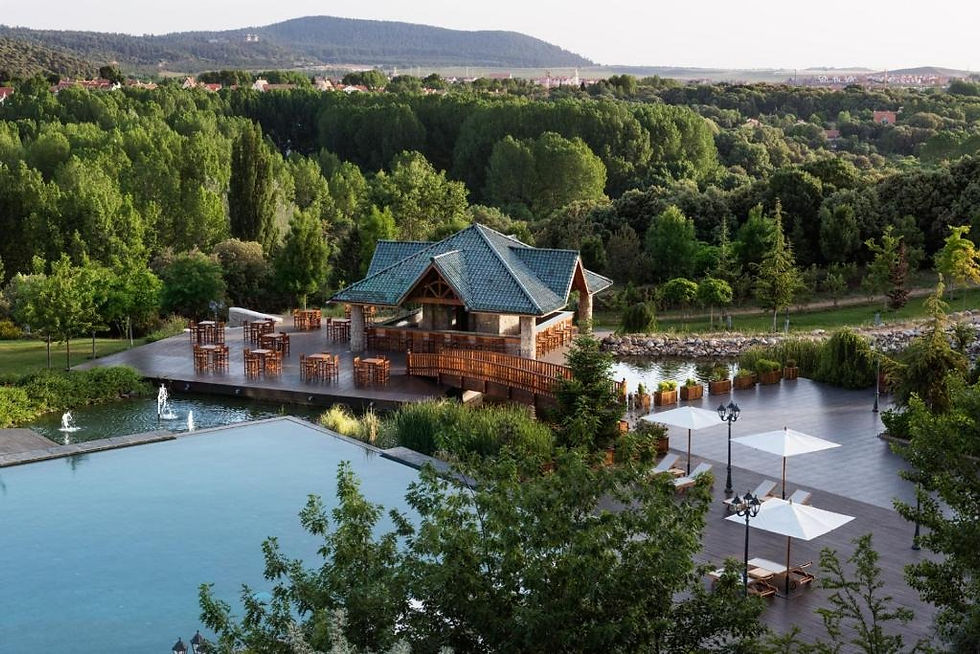
Michlifen Resort & Golf
550 €
From
